


The healthcare industry is undergoing a digital revolution, and at the heart of this transformation is cloud computing. From electronic health records (EHRs) to telemedicine, cloud technologies are redefining how patient care is delivered, managed, and optimized. But what exactly is cloud computing doing for healthcare, and why is it such a game changer?
What is Cloud Computing in Healthcare?
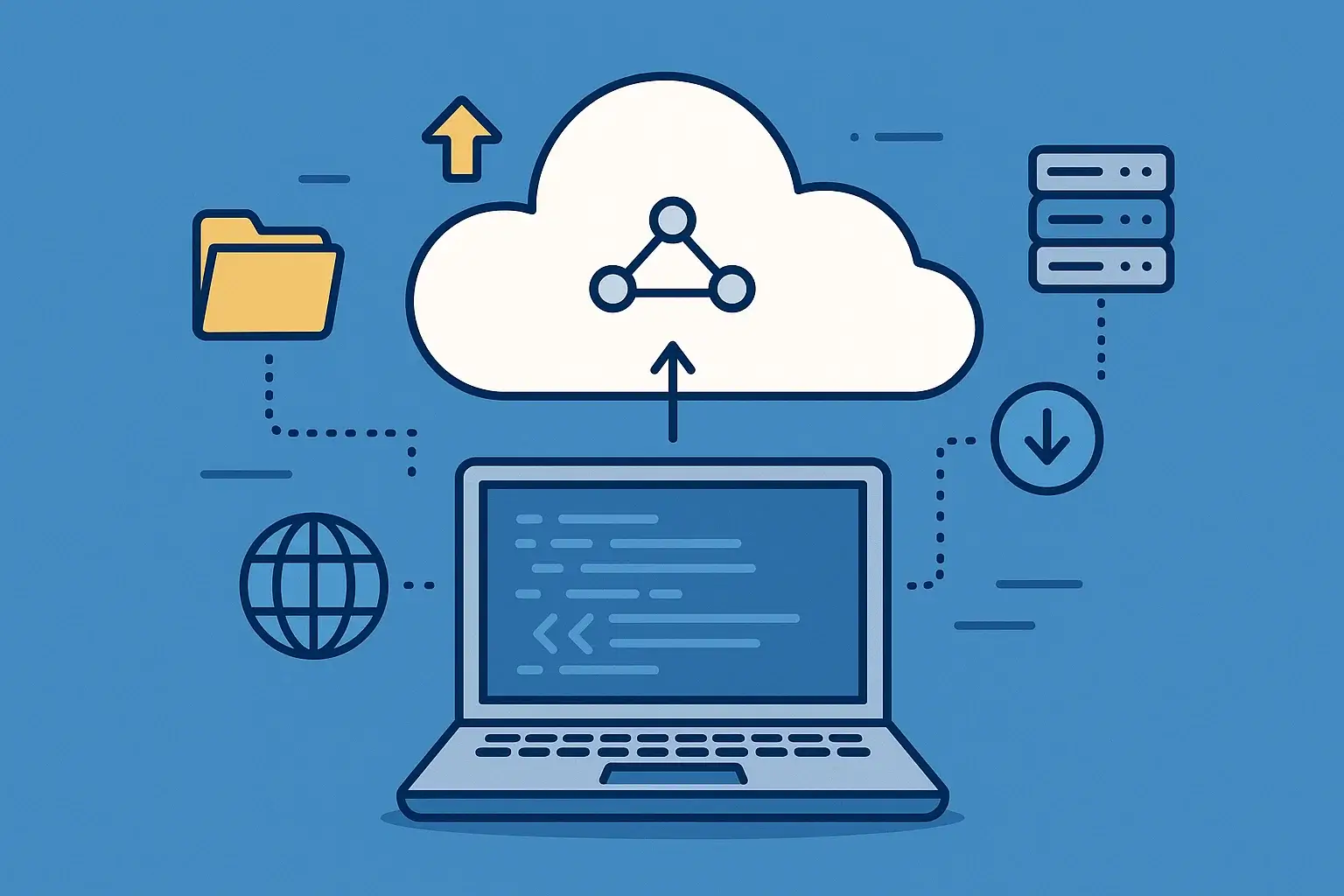
Cloud computing refers to the use of remote servers hosted on the internet to store, manage, and process data—rather than relying on local servers or physical infrastructure. In healthcare, this means storing patient data, running applications, and delivering services via the cloud rather than on-site hardware.
Healthcare organizations are increasingly adopting cloud platforms like AWS, Google Cloud, and Microsoft Azure to manage everything from patient records to imaging systems and AI diagnostics.
Key Benefits of Cloud Computing in Healthcare
1. Improved Data Accessibility
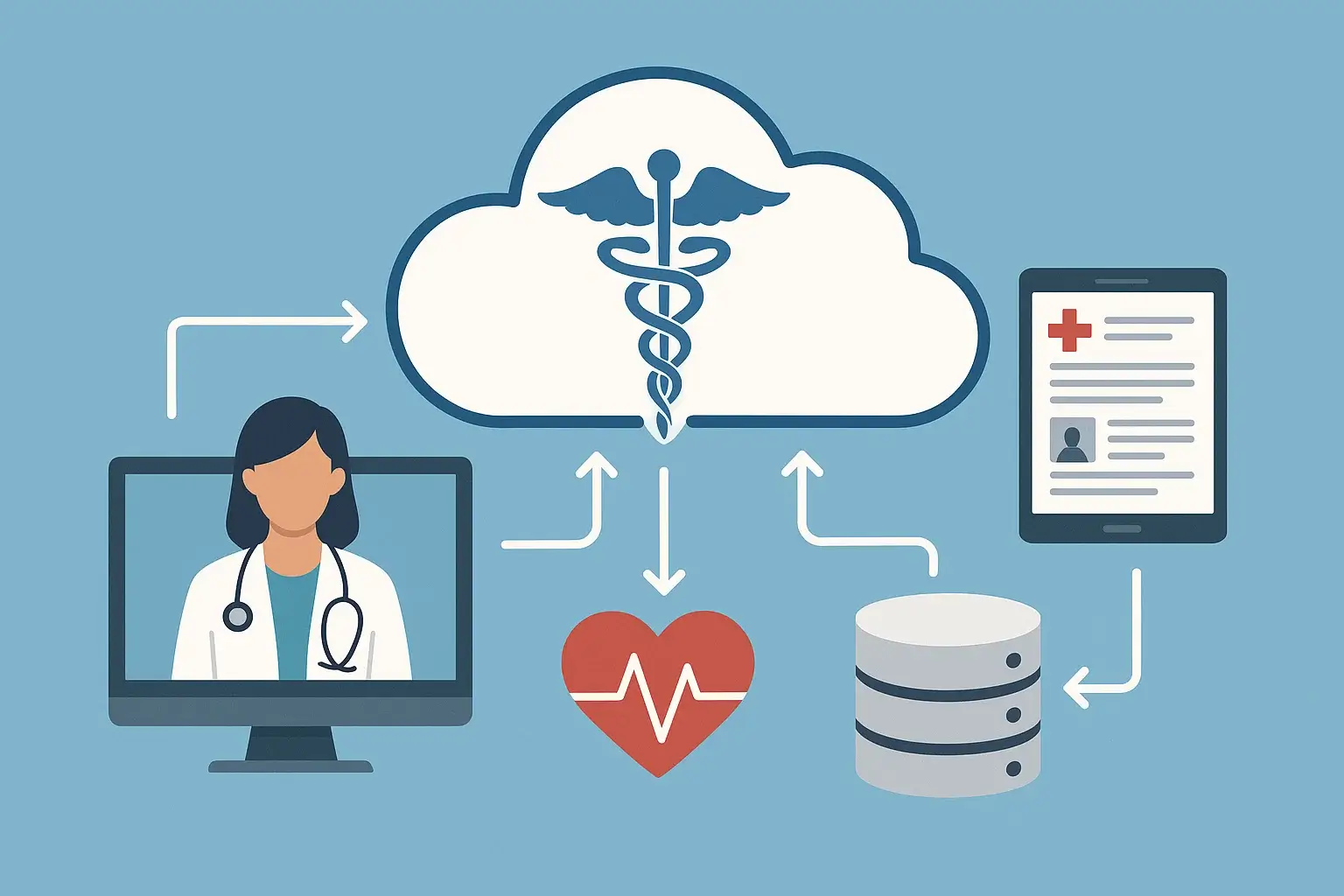
Doctors, nurses, and other medical professionals can access patient data anytime, anywhere using cloud-based systems. Whether it’s viewing lab results on a tablet during rounds or consulting patient history during a telemedicine call, the cloud ensures quick, secure access.
2. Better Collaboration
Cloud computing facilitates seamless collaboration between departments, specialists, and even different healthcare providers. For example, a patient’s primary doctor can share medical records with a specialist in another city without the delays of physical paperwork or faxed reports.
3. Enhanced Data Storage and Scalability
Hospitals and clinics generate vast amounts of data daily—imaging files, lab reports, prescriptions, etc. Cloud platforms offer virtually unlimited storage and allow healthcare facilities to scale up or down as needed without the cost of upgrading physical infrastructure.
4. Advanced Analytics and AI Integration
Cloud platforms support big data analytics and AI-powered tools that can identify trends, predict patient outcomes, and even assist in diagnoses. For example, AI models trained in the cloud can analyze radiology images faster and more accurately than traditional methods.
5. Cost Efficiency
By shifting to the cloud, healthcare providers can significantly reduce IT costs. There’s less need for physical servers, maintenance, and IT staff to manage in-house systems. Instead, resources can be reallocated toward improving patient care.
Security and Compliance Considerations
Security is a top concern in healthcare, and rightly so—patient data is highly sensitive. Cloud providers now offer robust security measures including encryption, access controls, and audit trails. Leading platforms also comply with major regulations like HIPAA, GDPR, and HL7 standards, ensuring that data is protected and legally handled.
Still, healthcare organizations must take responsibility for configuring and managing their cloud environments properly to avoid breaches or compliance violations.
The Future of Healthcare in the Cloud
As healthcare becomes more digital and data-driven, the role of cloud computing will only grow. From remote surgeries using 5G and cloud systems to predictive analytics for public health, the possibilities are endless.
Cloud computing isn’t just a tech upgrade—it’s an enabler of faster, smarter, and more personalized care.
Cloud computing is transforming healthcare from the inside out. It’s not just about storing data in the cloud—it’s about unlocking the full potential of that data to improve lives, streamline operations, and deliver better outcomes for patients around the world.